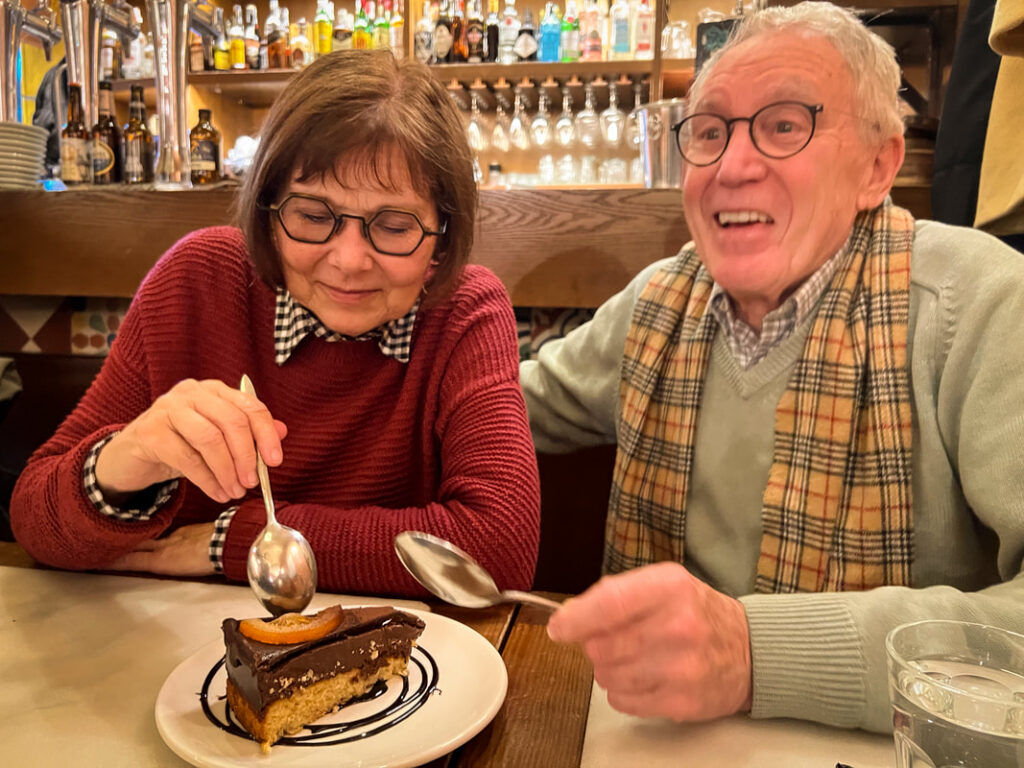
Seville is home to some of the best food in Europe (maybe the world). So where do you even start?
I believe that all food should be comfort food — a delight to the senses, sustaining to the system, and served in a congenial atmosphere. For those who have the pleasure of discovering Seville for the first time, or are arriving again after an absence, I offer this list of favorite cafés, restaurants, bars, bakeries, and ice cream parlors to help you get started on your culinary tour of the city.
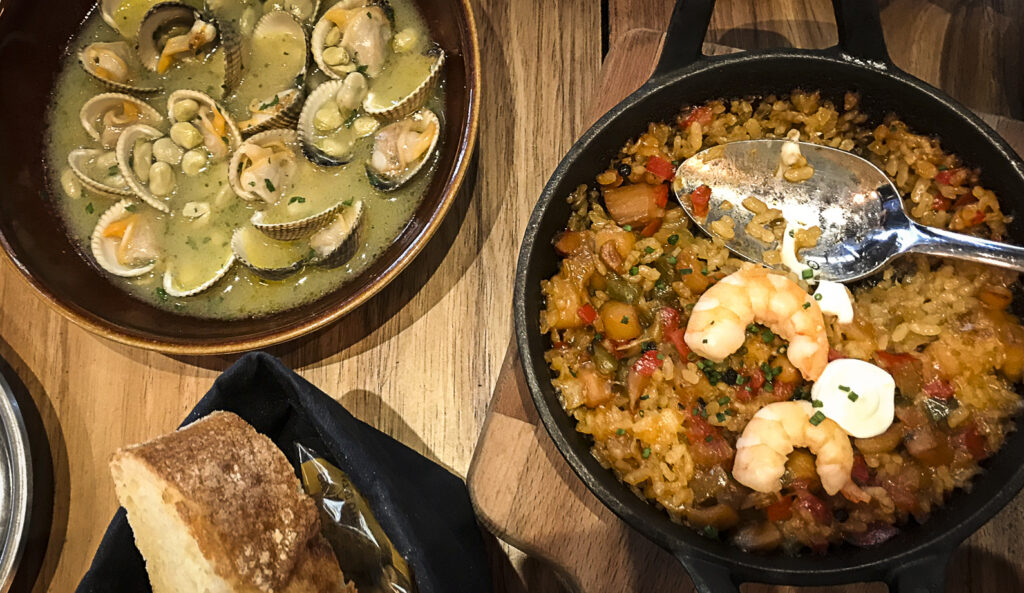
Tapas Bars
Abacería El Mercader de Triana,Calle Antillano Campos 15, tiny eatery with an outrageously creative menu.
Bar Alfalfa, Calle Candilejo, 1, homemade food, hip yet traditional atmosphere
Bar Blanco Cerrillo, Calle José de Velilla 1, famous for its adobo (marinated fried fish)
Bar Estrella, Calle Estrella, 3, eclectic mix of old bullfight memorabilia and modernist photos; excellent traditional food.
Bar Plata, Calle Resolana, 2, classic fare with a view of the Church of the Macarena.
Bar Santa Ana, Calle Pureza, 82, Triana, classic fare, excellent carrilladas (beef cheeks).
Bodega Mateos Ruíz, Calle Palacios Malaver, 33, best fried cod in the city. Bodeguita Romero, Calle Harinas 10, traditional fare, famous for their pig cheeks (carrilladas)
Casa Morales,Calle García de Vinuesa 11, check out the “secret” back room; enter down the side street.
Casa Pepe Hillo, Calle Adriano, 24, classic bar taurino (bullfighting bar) near the bullring. Try the cola de toro (bull’s tail).
Los Coloniales, Plaza Cristos de Burgos 19, convivial, old-school atmosphere, generous tapas.
Taberna La Auténtica, Calle Felipe II, for classic tortilla de patatas.
Taberna Sol y Sombra, Calle Castilla, 147, across the river in Triana, atmospheric bullfighting theme bar.
Chupitos
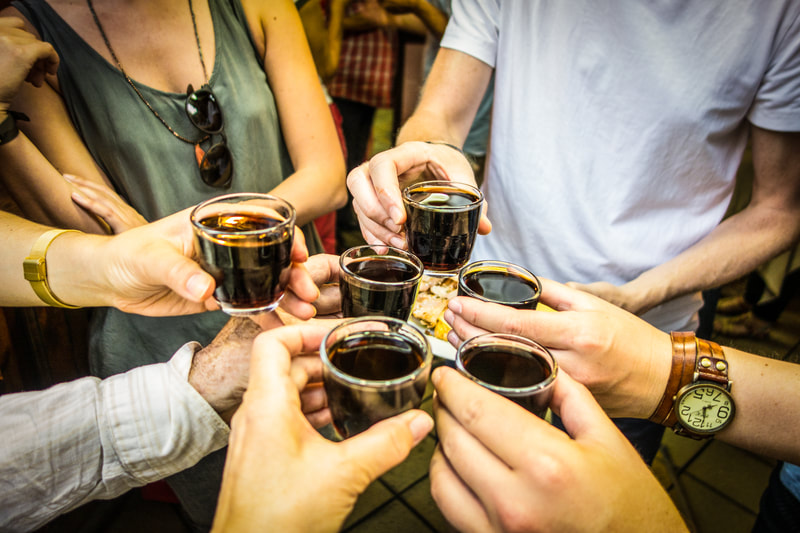
At the end of a meal, you may be served a complimentary round of chupitos (little slurps), shot-glasses of liqueur such as limoncello, orujo de hierbas (great for the digestion), or vodka carmelo (literally vodka candy, which is much nicer than it sounds). Hipper establishments may serve your chupitos in test tubes, infused in a sorbet, or as dollops of foam. Your host wants to send you out into the street with a smile on your lips and warm thoughts about returning again soon.
Romantic Settings
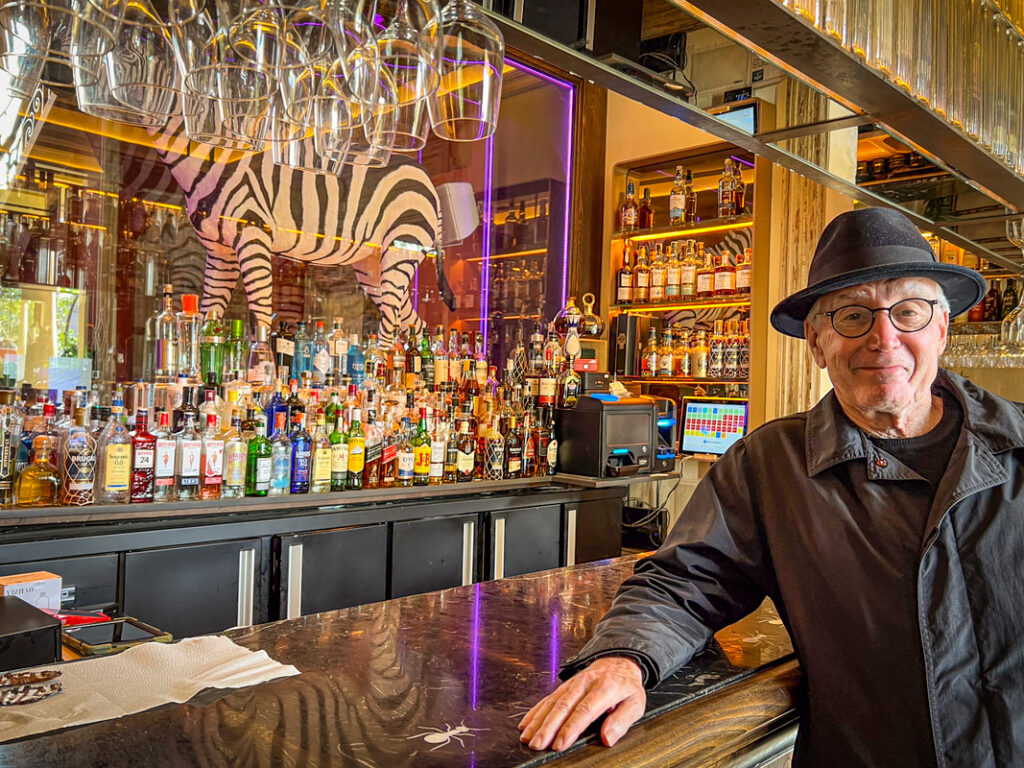
Seville is blessed with countless wonderful and romantic places to dine. These are some of the most dazzling ones I know, for occasions that require an atmosphere of charming intimacy.
Abades Triana, Calle Betis, 69, breathtaking views of city and river
Casa Aníbal, Calle Reyes Católicos, 22, outrageously sumptuous decor
Casa del Tigre, Calle Amparo, 9, cozy and richly atmospheric.
Casa Ozama, Av. de la Borbolla, 59, great for quiet lunches, lively nightlife
La Quinta Brasería, Plaza Padre Jerónimo de Córdoba, 11; delicious food; choose fireplace or courtyard
MariaTrifulca, Puente de Triana, gorgeous view of river from terraces
Pan y Circo, Calle Rivero, 11, a dazzling collection of art and memorabilia with great, eclectic food.
Petra, Calle Alfalfa, 5, cozy, relaxed, and charming; great food. Rich and I went there for our last anniversary.
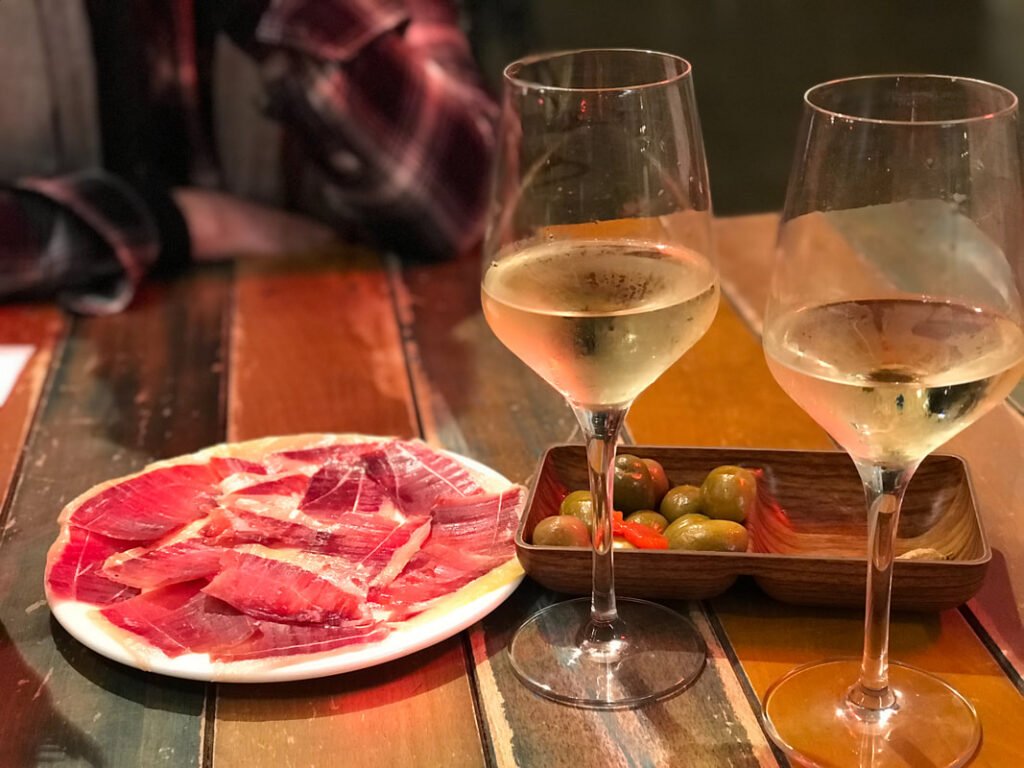
Don’t Know Much About Spanish Wine?
One of Seville’s more endearing customs is rushing cold drinks to your table then leaving you alone for a while to contemplate your food choices at leisure. If possible, you’ll want to arrive at your restaurant with some idea what beverage to order.
Having grown up in California, where wine is taken very seriously indeed, it took me a while to adjust to Seville’s casual attitude toward vino. Bartenders will ask if you want white (blanco) or red (tinto). Don’t worry if you get flustered and ask for rojo (red), as they’ll still get your drift, but tinto is the correct term.
You can’t really go wrong with a tinto from the regions of Rioja or a Ribera del Duero. Because it has a colder climate, Ribera del Duero produces vintages with somewhat more intense color and flavor, but both are safe — in fact, delightful — choices.
Ordering vino blanco can involve specifiying seco (dry) or dulce (sweet) or sometimes afrutado (fruity). And this is where I run into trouble. What I actually like is a full-bodied, buttery white with a complex flavor and a long finish. I have embarrassed myself and numerous waiters attempting to explain this. They always listen politely until I run out of words, and then they say, making a massive effort not to roll their eyes, “Así que … semi-seco?” (So … somewhat dry?)
I have learned through diligent trial and error to ask for a verdejo (vare-DAY-ho). Verdejo is a full-bodied grape that originated in North Africa and arrived in Spain’s Rueda region in the 11th century, where it was developed into a dense, sherry-like wine. Then in the 1970s some brilliant, public-spirited winemakers from Rueda and France teamed up to create the fresher verdejo we know today. Whew! I can now order a drinkable vino blanco wherever I go. And so can you.
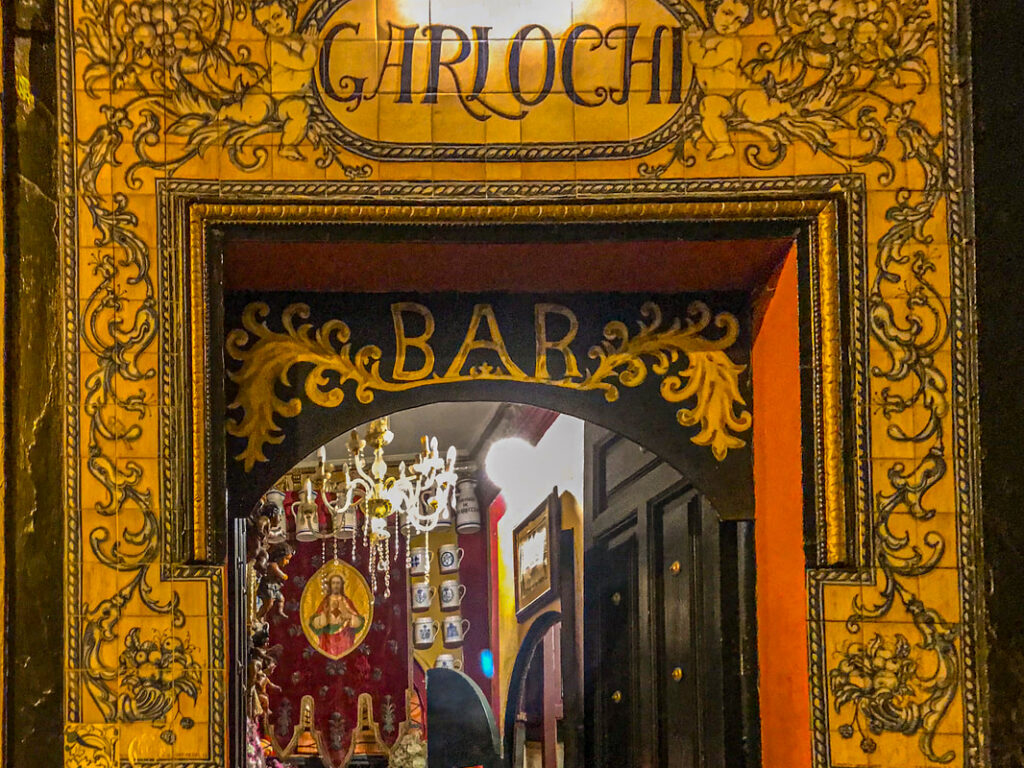
Glamorous Cocktails
Bar Americano, Alfonso XIII Hotel, Calle San Fernando, 2, flashy Art Deco elegance in the city’s most historic hotel
Casa Aníbal, Calle Reyes Católicos, 22,outrageously sumptuous decor
Casa Ozama, Av. de la Borbolla, 59, outstanding cuisine, lavish style
Garlochi, Calle Boteros, 26, tongue-in-cheek Semana Santa (Holy Week) decor
Le XIX,CalleTomás de Ibarra, 9,ultra cool atmosphere, great drinks
MariaTrifulca, Puente de Triana, cozy ground-floor bar, upper terraces overlooking the river
Maldito Cocktail Bar, Calle Boteros, 21, outstanding cocktails, best guacamole in the city
The Second Room, C. de Placentines, 19, gorgeous cocktails with artistic flair in hip surroundings
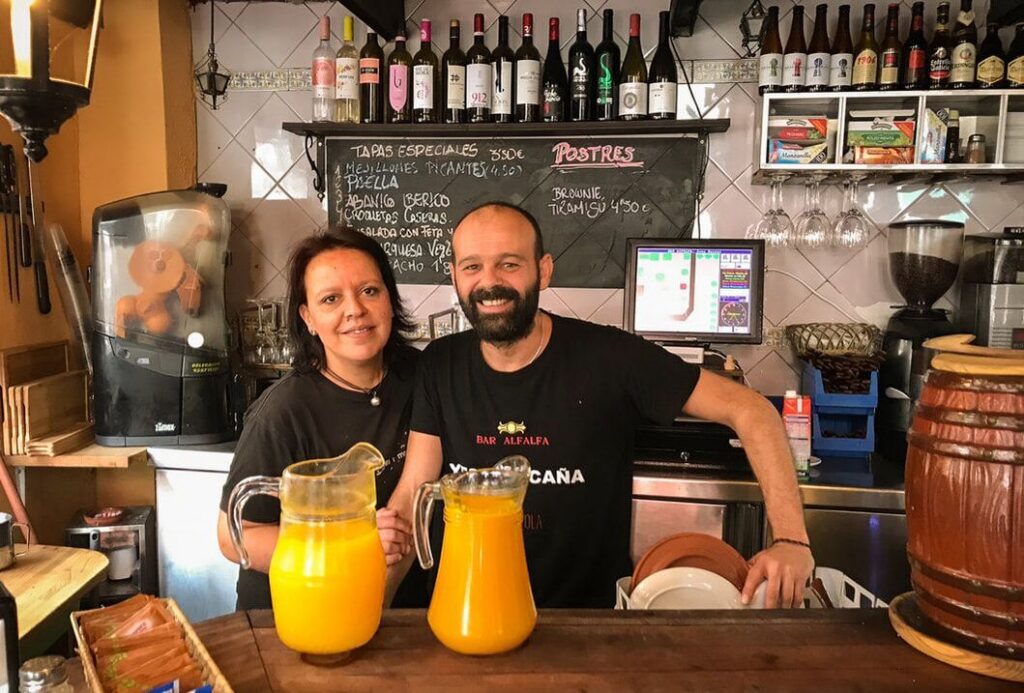
Breakfast
Seville’s favorite morning meal: toast with jamón (cured ham) and a cup of café con leche (coffee with milk).
Bar Alfalfa, Calle Candilejo 1, a cozy neighborhood hangout
Bar El Commercio, Calle Lineros 9, famous for its churros (fried dough) and chocolate
Cafeteria Catunambu, Calle Sierpes 10, classic coffee and great people-watching
Café Hércules, Calle Peris Mencheta 15, a bohemian café among the first to serve avocado toast
El Algabeño, Calle Arrayan 2, tucked behind the Feria Mercado (old-style food market) so you can shop afterwards
La Gata en Bicicleta, Calle Pérez Galdós 2, hipster charmer with books, art, and fabulous hot chocolate. The name means the female cat on the bicycle; it’s also known as Un Gato en Bicicleta, a male cat on a bicycle. Why? It’s a mystery.
Otto Café, Plaza Monte Sion 8, a chic little spot just off Calle Feria
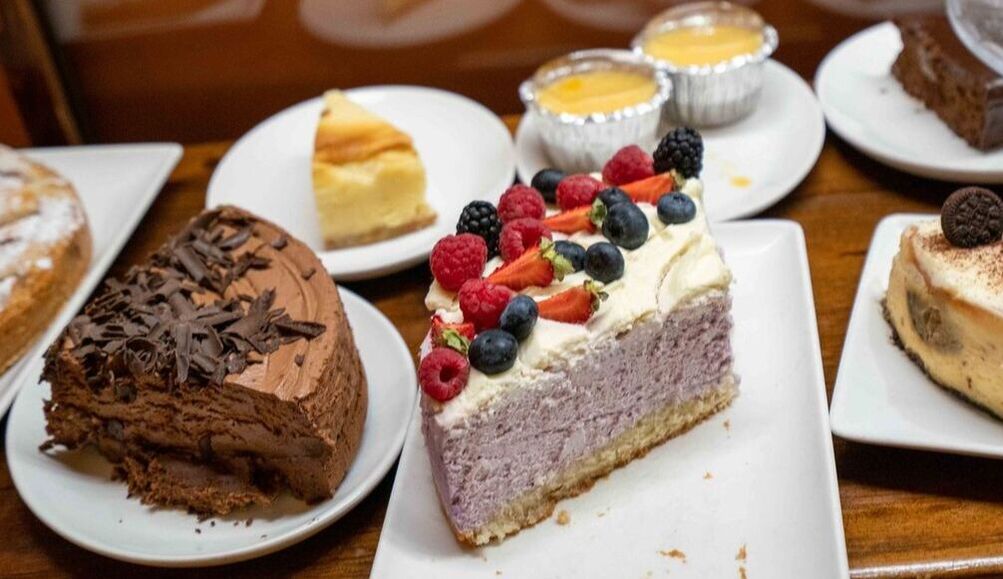
Sweet Indulgences
To be honest, Seville’s traditional pastries aren’t outstanding. They have a tendency to be bland and sugary rather than flavorful, so keep your expectations low. There are, however, a few truly excellent places around town to indulge your sweet tooth
Bakeries
Confiteria Ochoa, Calle Sierpes 45, very old school with an attentive staff and classic offerings
Convento del San Leandro, Plaza de San Ildefonso, where you buy from invisible cloistered nuns via a turntable; the cookies are just OK, but the experience is outstanding.
Pan y Piu, Calle Cabeza del Rey Don Pedro 15, truly excellent and the only place I buy bread or croissants
Desserts
Bolas, three locations, ice cream from fresh ingredients, options for those on special diets
Gollerías, Calle Pedro Pérez Fernández, 29, hands-down the most delicious cakes in town
La Gata en Bicicleta, Calle Pérez Galdós 2, hipster charmer serves Gollerías cakes and pies by the slice.
Vineria San Telmo, P.º de Catalina de Ribera, 4, serves Gollerías cakes and pies by the slice; Vineria’s owner, Juan, is married to Reyes, Gollerías’ renowned baker.